Volunteer Opportunities for People in Recovery
If you’re exploring ways to strengthen your recovery while making a difference, volunteer work can open doors to new experiences and connections. You’ll find that giving your time not only boosts your self-esteem, but also helps you build skills and routines that support long-term wellness. From local outreach to community-wide events, there’s a variety of options designed to fit your interests and needs. Before you decide where to start, consider what matters most to you.
Areas of Community Need
Houston presents multiple avenues for volunteers in recovery to contribute effectively to community needs. Opportunities are available in various domains such as facility support, event coordination, and direct service initiatives.
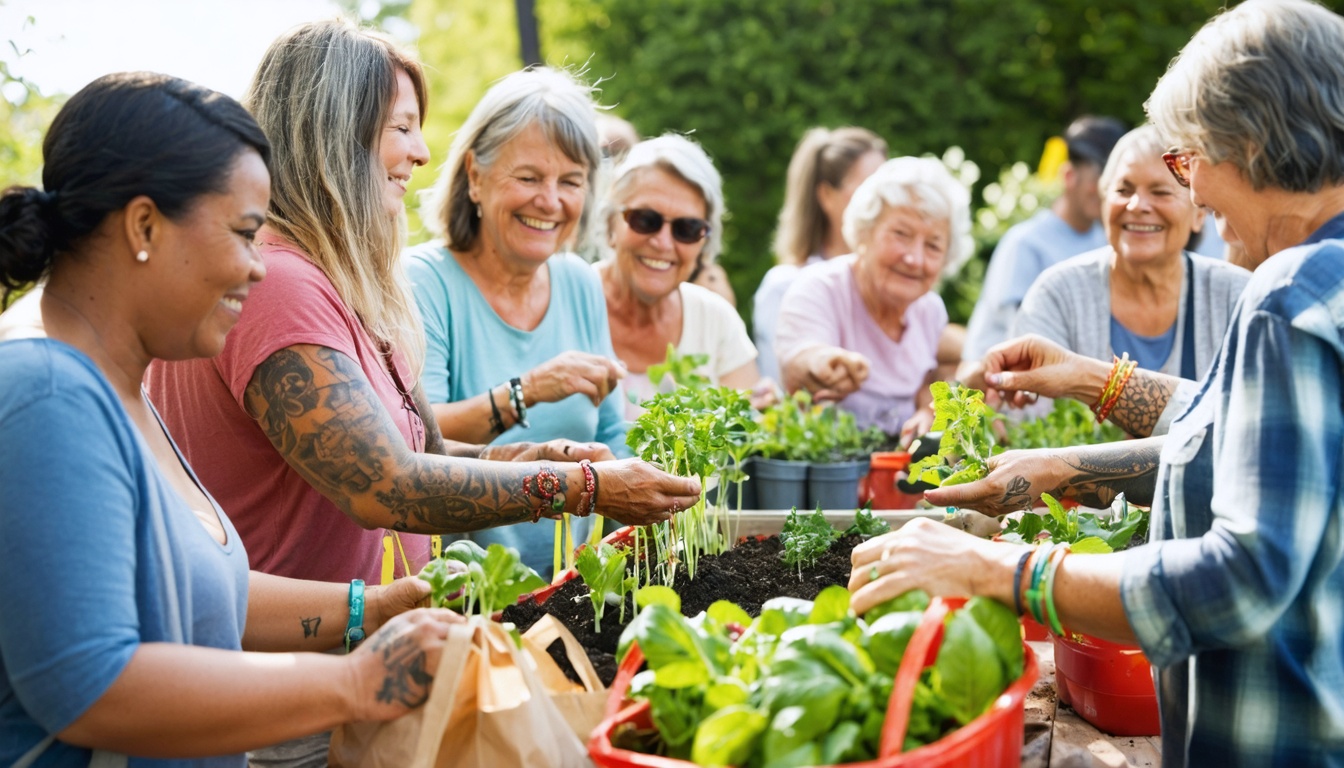
Specific activities might include serving at community luncheons, engaging in community gardening projects, or participating in programs like the Cuddles Program, which aims to offer comfort to individuals in recovery.
Regular initiatives are launched by the Council and Board, each requiring volunteer support. It is essential for those in recovery to leverage their experiences in order to cultivate supportive environments for individuals grappling with substance addiction and associated health issues.
Volunteer contributions are tracked through submitted hours, and there is an option to connect with broader networks via platforms such as Instagram and LinkedIn.
Additionally, resources and information pertinent to volunteering can be easily accessed. Interested individuals are encouraged to reach out if they wish to explore leadership opportunities, contribute to community impact, or gain further insights into volunteer expectations.
Requirements for Volunteer Participation
Before initiating your volunteer service, it is essential to meet specific requirements that contribute to a secure and supportive environment. A demonstrated commitment to Recovery, Health, and the Service mission is necessary. Certain project roles may also necessitate specific skills, certifications, or prior leadership experience, particularly those related to Board positions or initiatives.
As part of the application process, all prospective volunteers are required to undergo a background check and drug screening. This requirement is particularly relevant for roles that handle sensitive information or are involved with substance addiction activities, ensuring the safety and well-being of all participants. If you're seeking trusted drug rehabs in Prescott, trusted drug rehabs Prescott can provide essential resources and support for recovery.
To adequately prepare for your role, training, orientation, and resources will be provided. These preparations are designed to enhance your impact and effectively utilize your volunteer hours.
For those interested in contributing to positive change, further information can be obtained by contacting us directly or by connecting through our social media platforms, such as Instagram and LinkedIn.
Application and Screening Process
To initiate the volunteer process, individuals must first submit an application that outlines their interests and the specific roles they are seeking. Following this, applicants are required to complete a background check, and, in certain instances related to Service Projects or Initiatives, a drug screening may be necessary.
This multi-step vetting process is implemented to maintain a safe and supportive environment crucial for Recovery and Health initiatives.
As part of the application, prospective volunteers will be asked to provide information regarding their history with addiction or substance use. This information is particularly relevant for those aiming for Leadership or Board roles, as it offers context and understanding of the challenges associated with recovery.
Opportunities for volunteering are available in various capacities, including Activities, Luncheon events, and Resource services.
For further details regarding these opportunities, interested individuals may reach out via our official contact methods or through platforms such as Instagram and LinkedIn. Engaging with our organization can contribute meaningfully to the support of recovery efforts within the community.
Training and Orientation for Volunteers
The foundation of a successful volunteer experience is rooted in thorough training and orientation. This process is essential for equipping volunteers with the necessary knowledge and skills pertinent to their roles within the organization.
During the training sessions, participants will receive crucial information regarding the organization's projects, recovery initiatives, and the array of services available to individuals affected by substance use and addiction.
The specialized Blue Basin Training focuses on critical topics such as ethical guidelines, confidentiality protocols, and health-related activities relevant to the organization's mission.
In addition, the training will address aspects of leadership, the history of the Board, and the expectations associated with service roles. It is important to note that certain positions may necessitate background checks or drug screenings as part of the application process.
Volunteers are encouraged to document their contributions and service hours, as this data is vital for measuring impact and effectiveness within the community.
For those interested in contributing to these efforts, further information can be obtained by reaching out to the organization directly, or by visiting its official social media channels on platforms such as Instagram and LinkedIn.
Facility Hours and Accessibility
The facility offers extended hours to accommodate a diverse range of volunteer schedules. Operating hours are Monday through Thursday from 8:00 am to 9:00 pm, Friday from 8:00 am to 5:00 pm, and Saturday from 8:30 am to 2:00 pm.
This structure is intended to facilitate participation in various Service Activities, leadership development, and initiatives focused on substance use, health, and addiction recovery.
Volunteers are provided with training and resources to effectively support their roles. The facility welcomes applicants with varied backgrounds, emphasizing the value of diverse experiences in enhancing the effectiveness of its programs.
For further clarification regarding the requirements for drug screening and background checks, or to inquire about Board involvement, individuals are encouraged to reach out directly to the facility.
Engaging as a volunteer can lead to meaningful contributions within the community.
Group Projects and Special Programs
Volunteering encompasses various structured opportunities, particularly within group projects and special programs, that can be beneficial for individuals in recovery. Such initiatives allow participants to develop essential skills, cultivate supportive relationships, and contribute positively to their communities.
Programs offered by councils or boards may include activities such as community gardening, library services, the Cuddles Program, and light construction projects.
These programs prioritize training and create supportive environments, emphasizing substance health and addiction recovery.
To effectively engage in these initiatives, a diverse pool of volunteers is essential. Participants are encouraged to document their service hours and reflect on their impact within the community.
It is important to note that some activities may necessitate a drug screening or background check to ensure the safety and integrity of the programs.
Interested individuals are advised to reach out for more information, utilize available resources, or connect with relevant social media platforms to explore ways to contribute meaningfully.
Events and Community Engagement Opportunities
Participation in local events and community engagement opportunities can be instrumental for individuals in recovery, offering a platform for meaningful connections that may support their healing process.
This engagement includes opportunities to volunteer at various events such as Speaker Series Luncheons, retreats, and activities organized by local councils, which may include holiday gatherings and community workshops.
Opportunities to contribute to initiatives like the Cuddles Program, which supports families impacted by addiction, underline the importance of community involvement in recovery efforts. Volunteers are sought for service projects and leadership roles that not only contribute to the community but may also fulfill requirements for training or board participation.
Potential volunteers should be prepared to submit an application, which will include a background check and a drug screening process. Interested individuals can find additional information through direct contact or on platforms such as Instagram and LinkedIn.
Such involvement provides a structured approach for fostering relationships and learning, ultimately contributing to broader community health outcomes.
Roles Supporting Recovery and Well-Being
Engagement in volunteer roles focused on recovery and well-being facilitates both personal and communal growth. Opportunities to contribute include serving on advisory councils, participating in various projects, or engaging in activities such as gardening, arts, or programs designed for emotional support.
To ensure a constructive and safe environment, potential volunteers are required to complete training, undergo background checks, and participate in drug screenings.
Individuals can leverage their personal experiences, skills, and leadership abilities in various capacities, including on boards or at fundraising luncheons. By utilizing available resources and information, volunteers can contribute to significant service hours that foster meaningful impact in the community.
For those seeking to get involved, information regarding applications and opportunities is accessible through designated contact channels and social media platforms such as Instagram and LinkedIn.
Reducing Stigma: The No Shame Movement
The No Shame Movement addresses the misconceptions surrounding addiction by promoting open dialogue and challenging prevalent stereotypes. This initiative offers a range of information, resources, and training opportunities designed to enhance understanding within community councils, workplaces, and boards.
Key activities organized under this movement include storytelling luncheons, service initiatives, and leadership workshops, all of which emphasize recovery as a process rather than a single event. Participants are encouraged to engage by volunteering their time and sharing personal narratives, which can be disseminated through social media platforms such as Instagram and LinkedIn to increase awareness and impact.
To contribute effectively, individuals may need to document their volunteer hours, and in some circumstances, undergo background checks or drug screenings. These measures are intended to ensure a safe and supportive environment for all involved.
The ultimate goal of the No Shame Movement is to reduce the stigma associated with substance use and mental health, fostering a culture of understanding and support.
Contact and Support Information
To engage with the Council on Recovery's volunteer initiatives, there are several established channels for connection, tailored to different interests and needs.
Individuals seeking general volunteering opportunities, as well as those fulfilling court-ordered community service requirements, can find the necessary information and assistance via the following options.
For inquiries related to Service Projects, Training, and Activities, please direct your communication to [email protected]. If you require information specifically regarding court-ordered service, it is advisable to contact [email protected] for guidance.
Additionally, you may reach out by phone at 855.942.4100 or visit the office located at 303 Jackson Hill Street during operational hours.
The Council's Leadership and Board actively support community engagement initiatives aimed at addressing substance use, addiction, and mental health challenges, and they encourage potential volunteers to contribute to these efforts.
Conclusion
Volunteering offers you valuable opportunities to build confidence, develop new skills, and connect with a supportive community as you navigate recovery. By getting involved, you’re making a difference not only in the lives of others but also in your own journey toward well-being. Take the first step in finding a role that fits your needs and interests—you’ll discover that giving back can become a rewarding and uplifting part of your recovery process.